Dialogue (Im)possible
Reservation required for the "coucou, how are you?" event.
The project and programme section of the festival Dialogue (Im)possible presents artists, curators and theorists working in the performing arts who are active in countries and regions where democratic principles are being weakened, freedom of expression and artistic creation are being restricted, or cultural organisations and individuals are subject to political, economic or institutional pressure.
The project focuses on countries shaped by the legacy of Russian and Soviet imperial thinking, as well as on Central Europe and the Western Balkans. In 2026, its primary focus is on Belarus, Russia and Kyrgyzstan.
The lectures will be held in Russian with simultaneous interpretation into Czech.
Lectures:
10. 11. 16:30–17:10 Vzlet
From the Trauma of Violence to Freedom
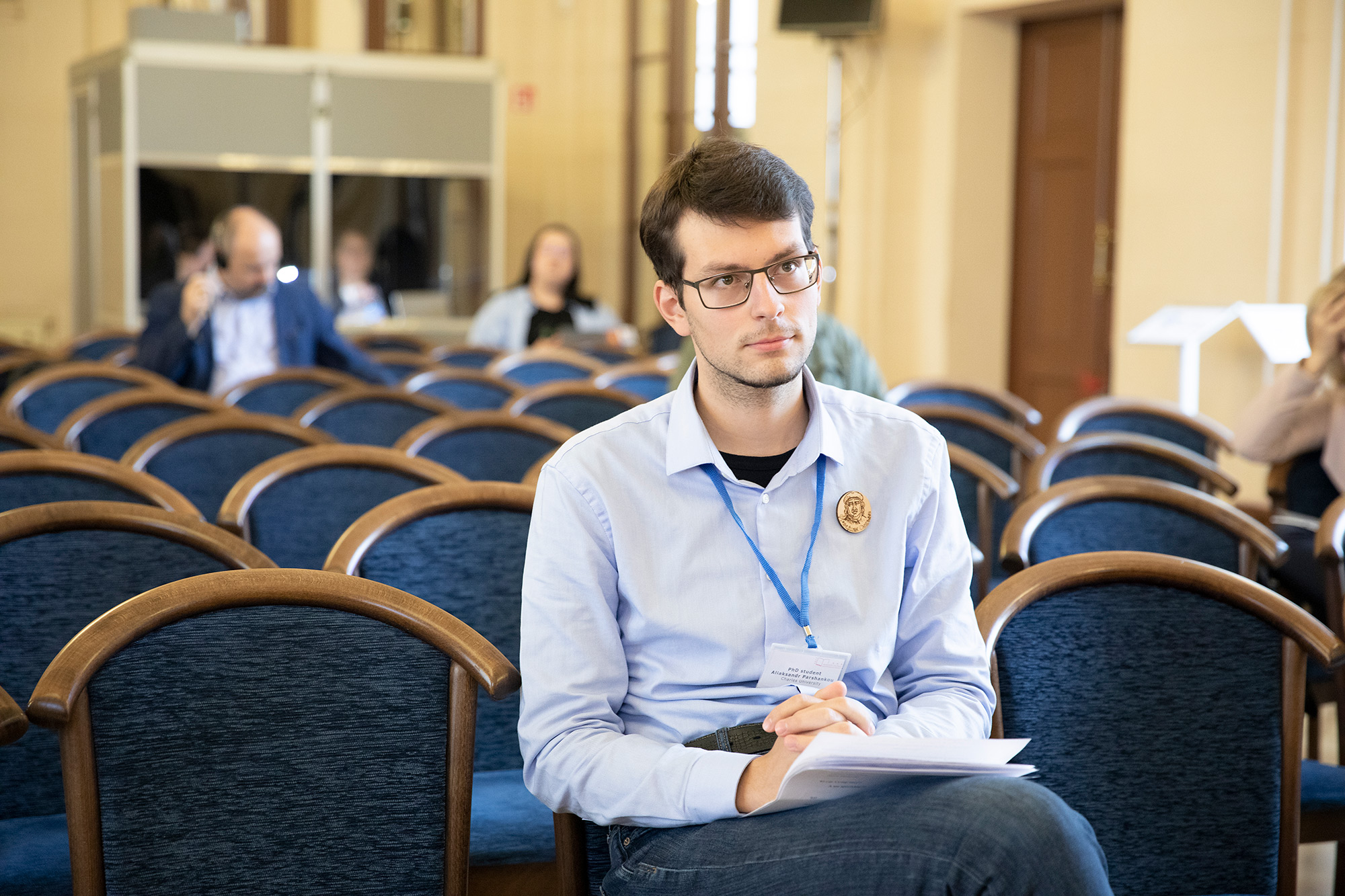
Speaker: Aliaksandr Parshankou (Belarus/Czech Republic)
Contemporary Belarusian culture has found itself in a new and involuntary reality of exile. We will focus primarily on the phenomenon of Belarusian theatre: what challenges are faced by artists who have been forced to leave their homeland? The discussion will touch on key pillars of the contemporary scene – from the legendary Yanko Kupala National Theatre and Nikolai Khalezin’s independent Belarus Free Theatre to the company Volnyja Kupalaŭcy.
At the same time, we will also address the sensitive subject of today’s underground and performance art, which continues to exist inside Belarus. What forms of resistance are possible under conditions of political repression? Can art created “outside” the country’s borders resonate with audiences within Belarus? And what role can culture in exile play in shaping the future of a free Belarus?
Aliaksandr Parshankou is a Belarusian historian and former member of the Coordination Council of Belarus, currently pursuing a PhD at Charles University. Living in exile in Prague, he is actively involved in cultural life, including as curator of the Prague section of PRADMOVA, a festival of independent Belarusian literature.
10. 11. 17:10–17:40 Vzlet
The Experience of Two Festivals
Speaker: Vanya Demidkin (Kyrgyzstan/Russia)
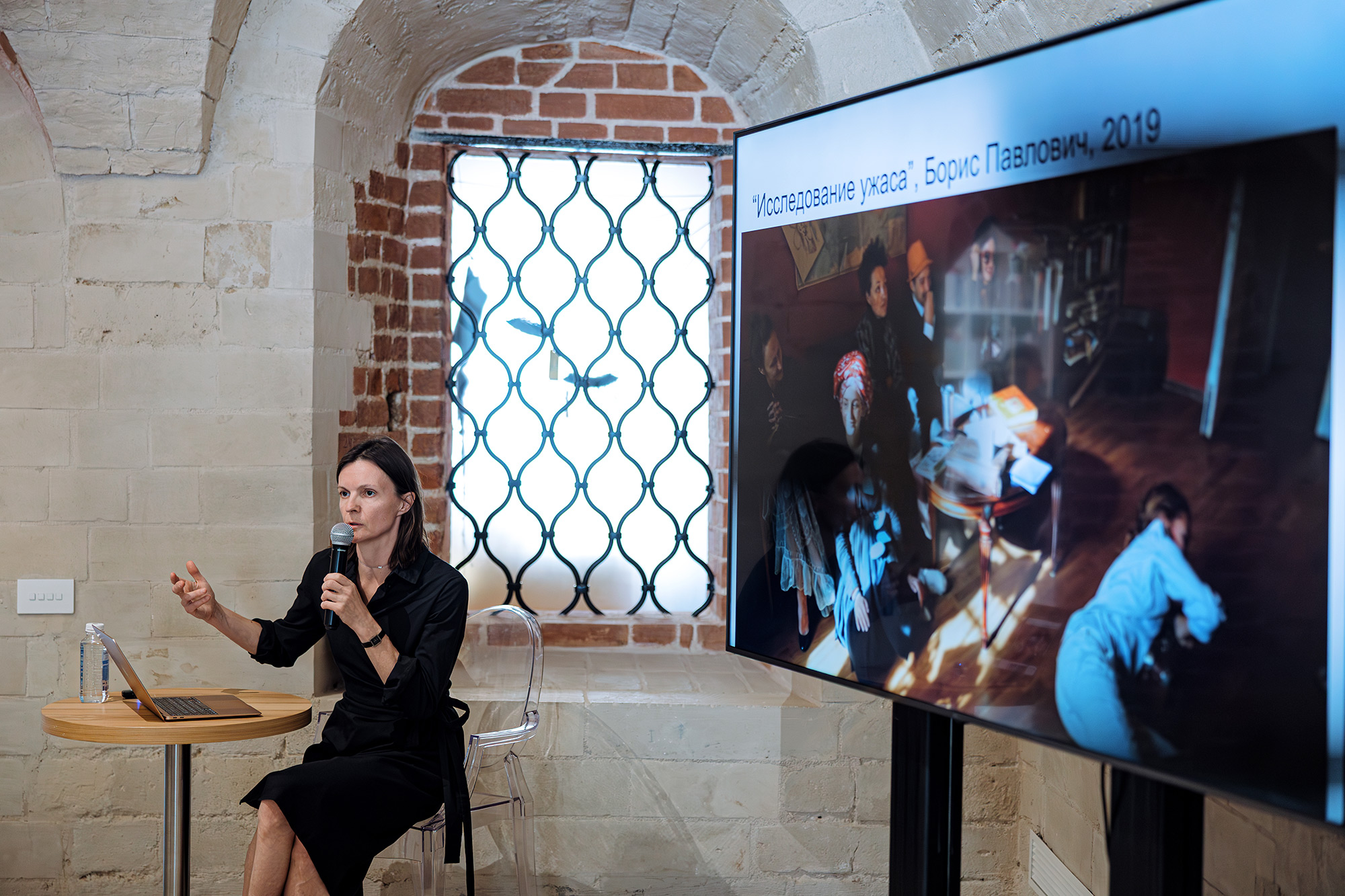
Since the beginning of the war in Ukraine, hundreds of artists have left Russia, many of them moving to countries in Central Asia. Their arrival has raised questions about coexistence with local artistic communities, competition for limited resources, and the role of Russian as a shared, yet by no means neutral, language.
Drawing on his own experience in Russia and Central Asia, Vanya Demidkin will discuss the transformations that theatre has undergone in recent years. He will focus on two projects that he curates and organizes: the clandestine Moscow festival Fragile (Хрупкий, 2024–2025) and the festival Place – Action (Место – Действие), held in Bishkek since 2024. The lecture will also include excerpts from productions and performances by artists from Kyrgyzstan, Kazakhstan, Uzbekistan and Russia, as well as stories about the artists behind them.
Vanya Demidkin is an artist and curator from Russia. Since 2018, he has been engaged in the theory and practice of theatre and performance. He organizes festivals, laboratories and digital projects, and contributes to the creation of performances as both an author and performer. He has been living in exile since 2023.
10. 11. 17:40–18:20 Vzlet
The Time of Hybridity
Speaker: Kristina Matvienko (Russia)
The lecture focuses on the current situation of Russian theatre, both state-funded and independent. Since 2000, Russian theatre has undergone significant development, yet recent events have also shown how quickly its achievements can be halted, devalued, or entirely destroyed. Despite the belief of liberal-minded theatre makers, festival curators, critics, and artists in the power of new theatre and its ability to influence audiences, a fundamental shift came with surprising speed.
Since the beginning of the war in 2022, Russian theatre has lost numerous prominent figures, events, and entire theatre companies. Those who continue to live and work in Russia are faced on a daily basis with decisions about whom to collaborate with and under what conditions, as well as what language and artistic means to use in reflecting the current social and political atmosphere.
Kristina Matvienko is a theatre critic, researcher, and curator. She works in theatre education (GITIS, RGISI) and in theatre practice (Stanislavsky Electrotheatre, Teatr.doc), while also contributing to interdisciplinary and theatre projects.
10. 11. 18:20–19:00 Vzlet
Moderated Q&A
Moderator: Ondřej Soukup
Ondřej Soukup is a journalist specializing in the post-Soviet region. He served as the Moscow correspondent for Hospodářské noviny for several years and currently works as a commentator for Czech Radio Plus, co-hosting the podcast Na Východ! (To the East!). In 2026, he was co-awarded the Rudolf Medek Prize alongside Jiří Pazderka.
11. 11. 17:00–17:45 Vzlet
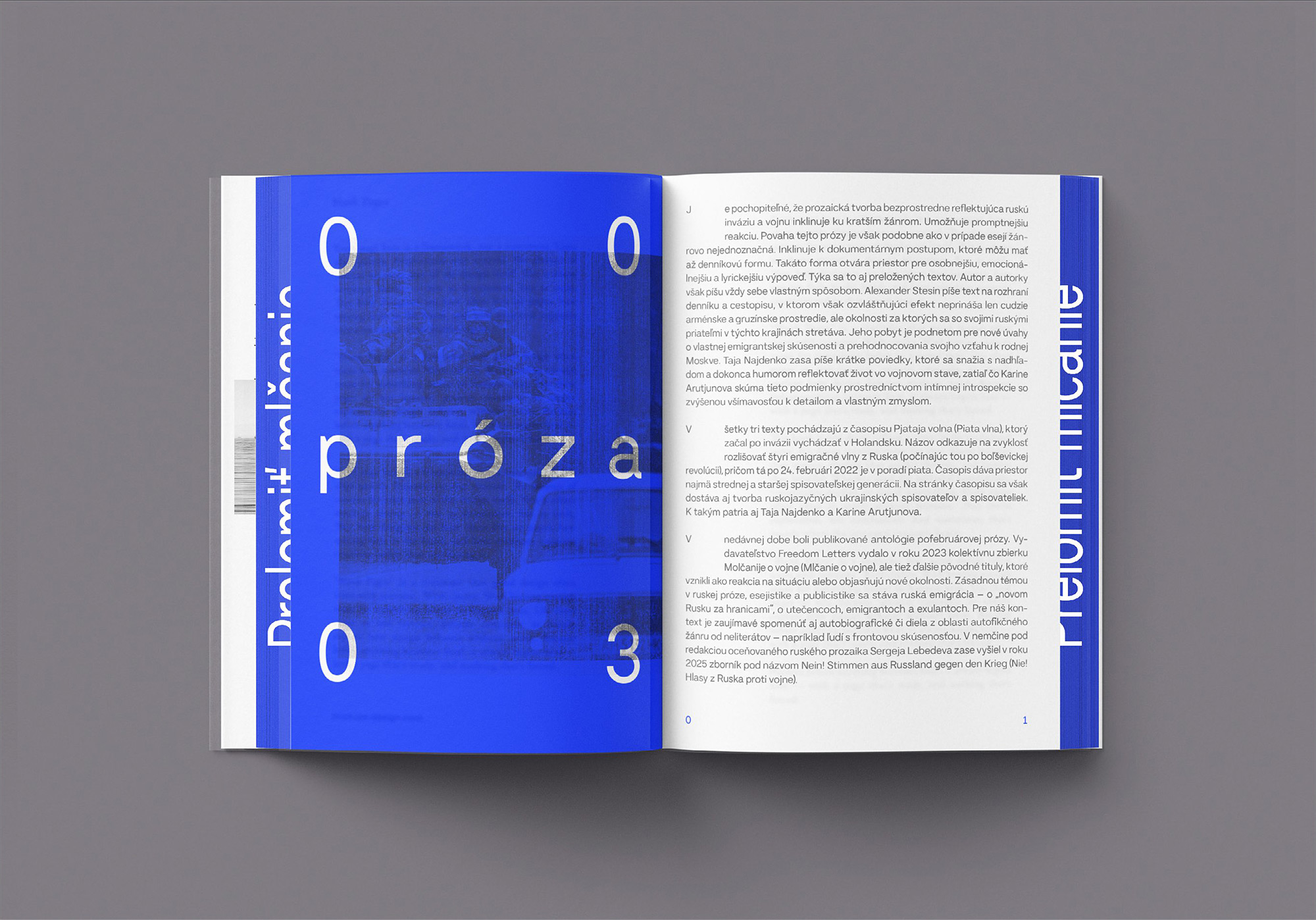
Breaking the Silence
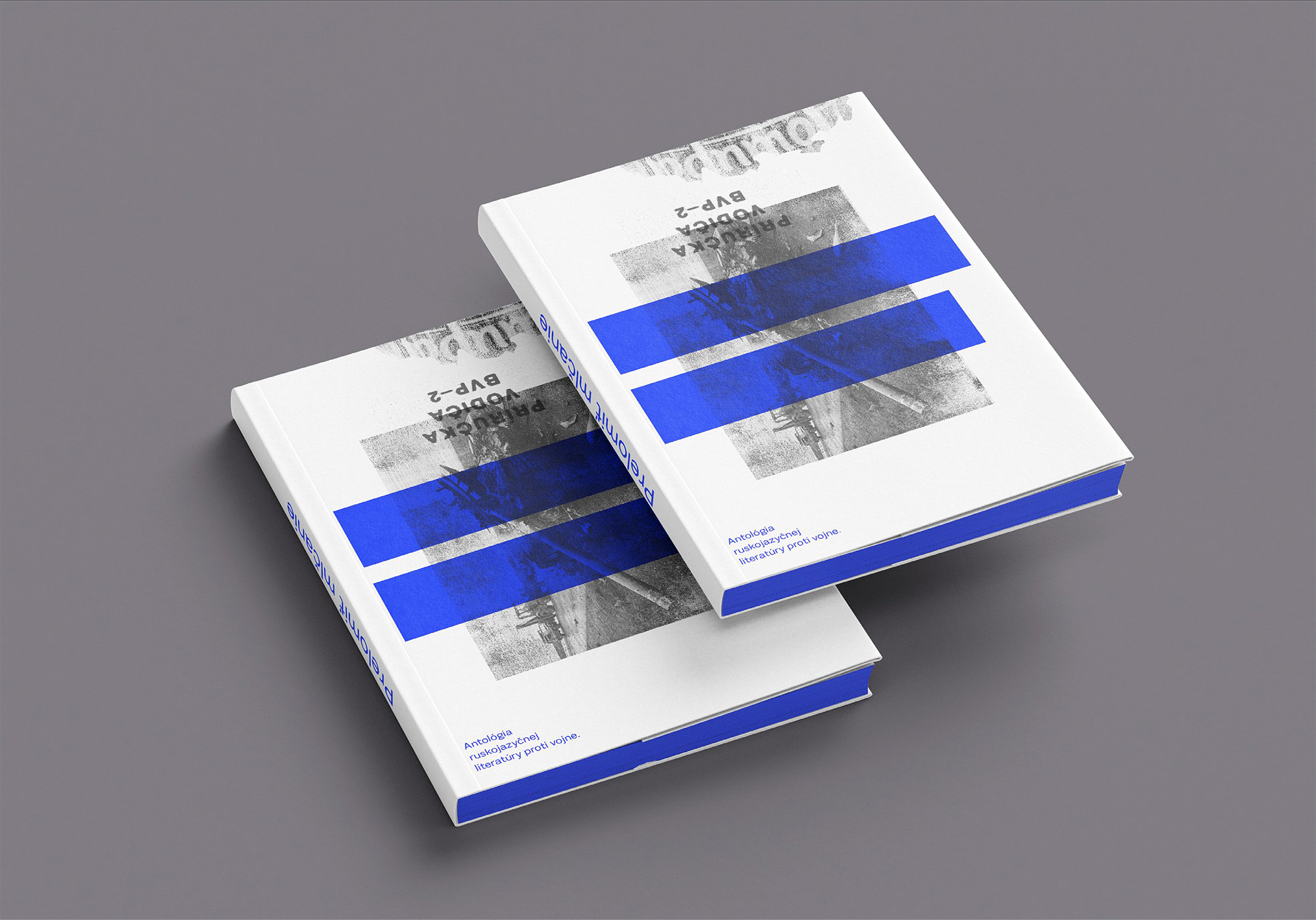
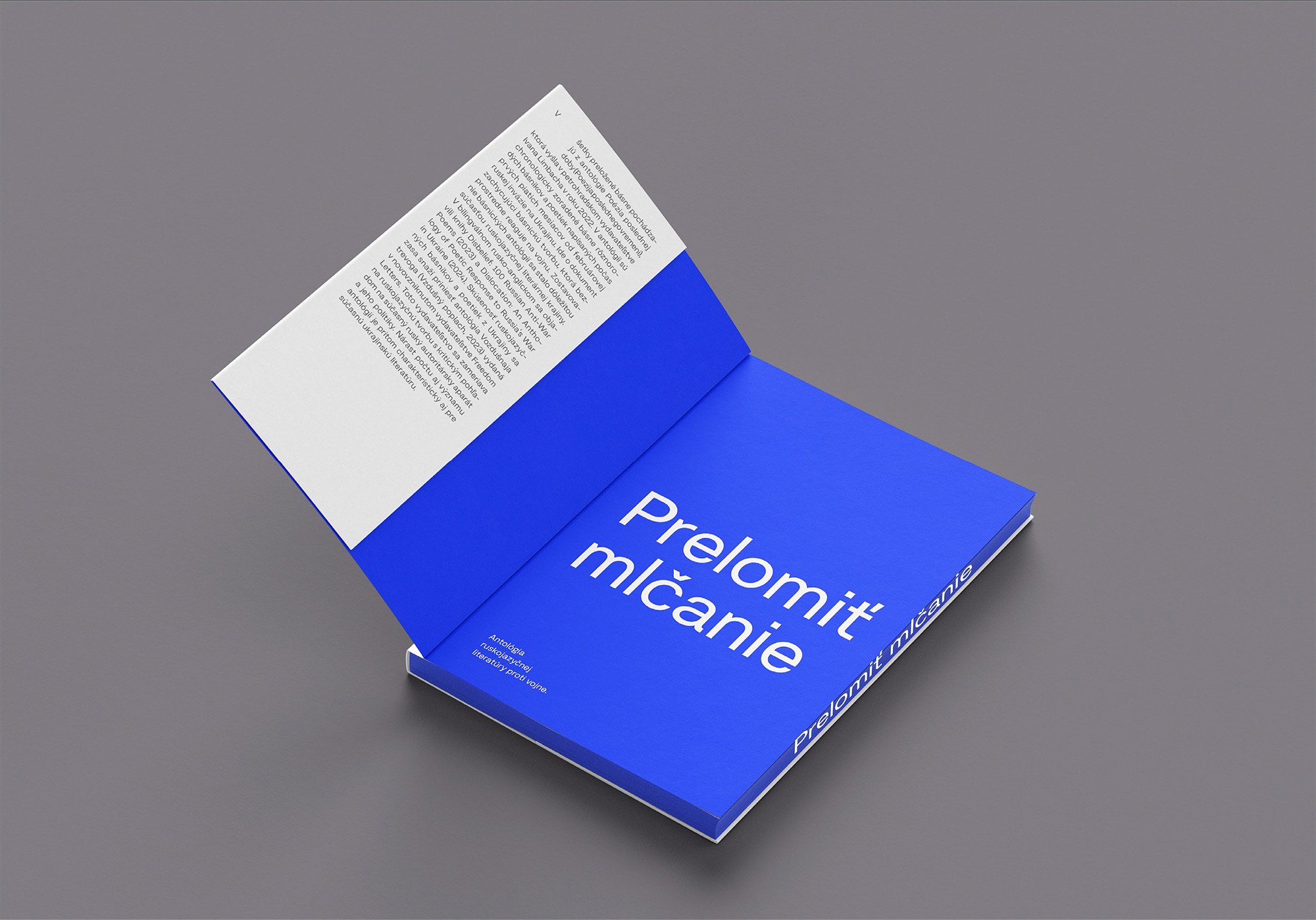
A presentation of the anthology Prelomiť mlčanie. Antológia ruskojazyčnej literatúry proti vojne (Breaking the Silence: An Anthology of Russian-Language Literature Against the War), edited by Romana Štorková Maliti and Jakub Kapičiak. The anthology brings together anti-war poetry, essays, prose, and dramatic texts by Russian-language authors from Ukraine, Belarus, and Russia, written in 2022 as an immediate response to the outbreak of the war. The Slovak-language edition is published by the Bratislava-based publishing house TERST. The cover design and layout are by Jan Arndt (Karajan Type Foundry). Excerpts from essays, poetry, and prose will be performed by actor Pavol Smolárik.
11. 11. 17:45–19:00 Vzlet
14. 11. 17:00–18:15 Galaxie
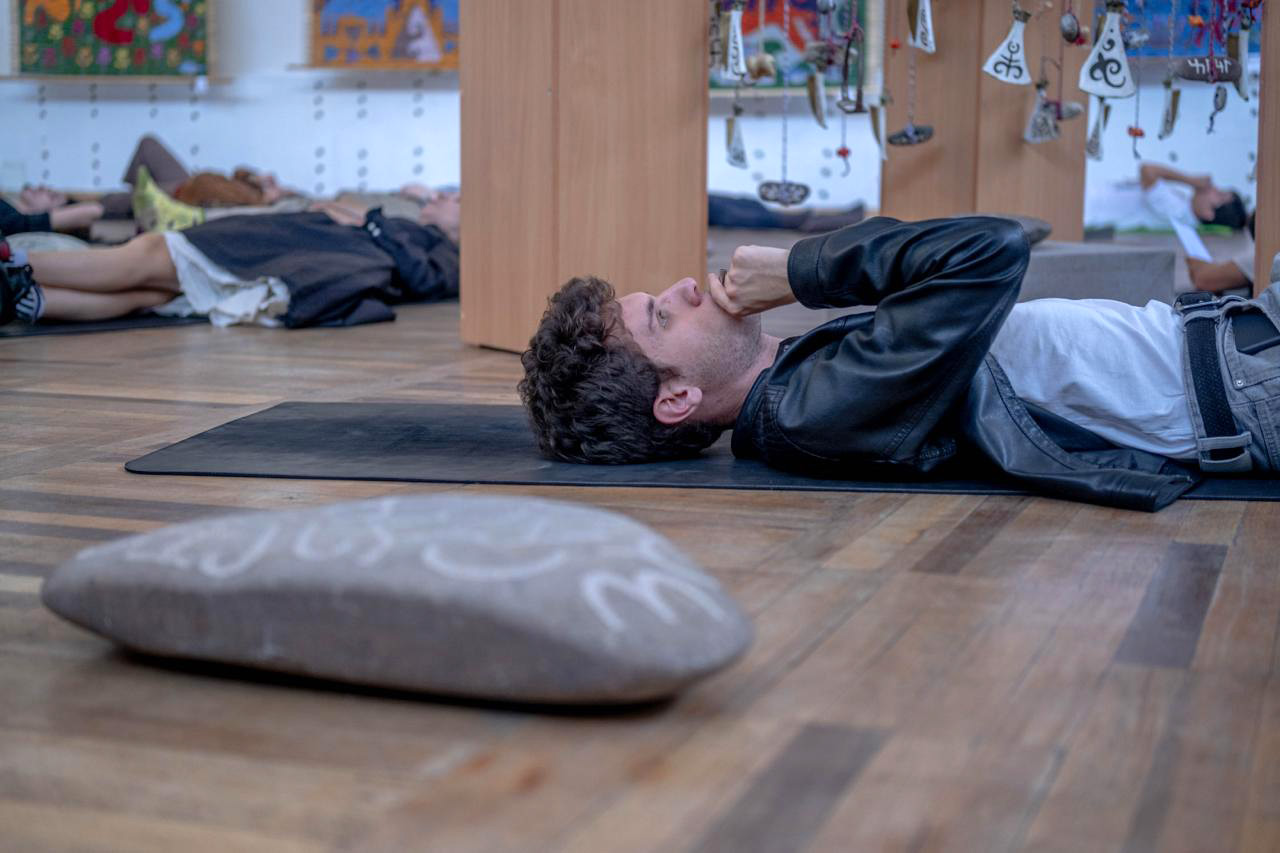
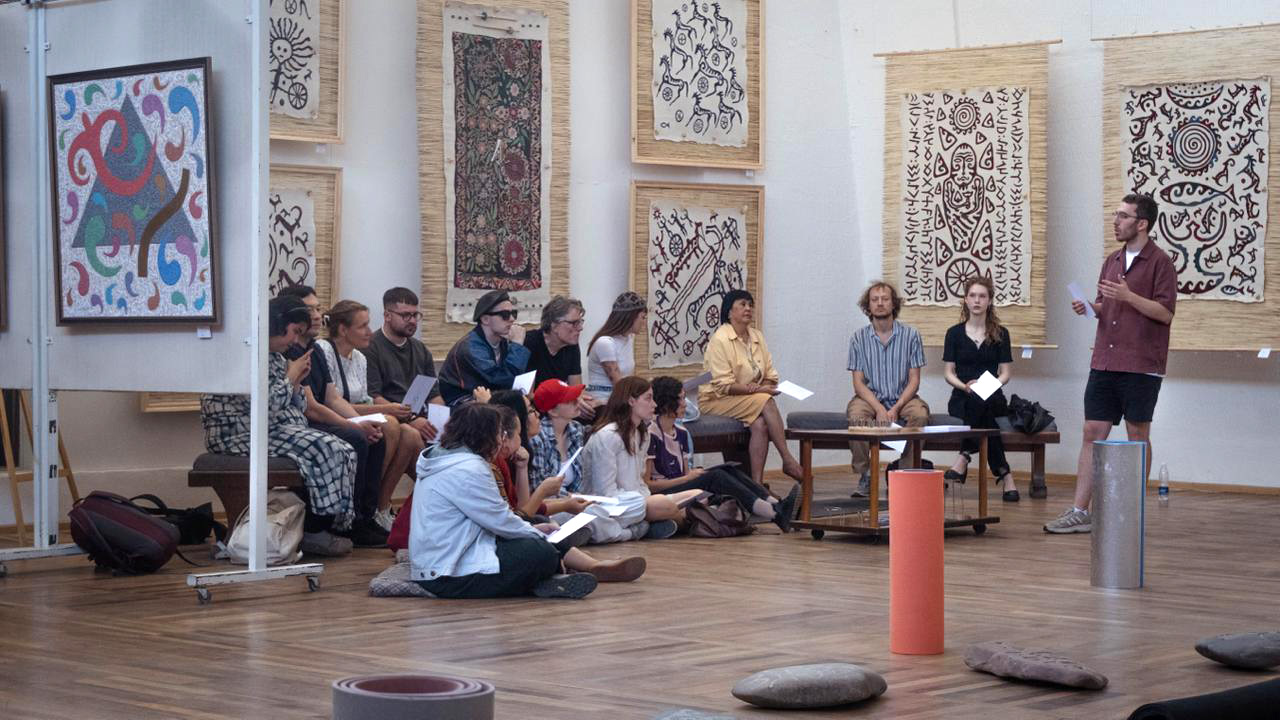
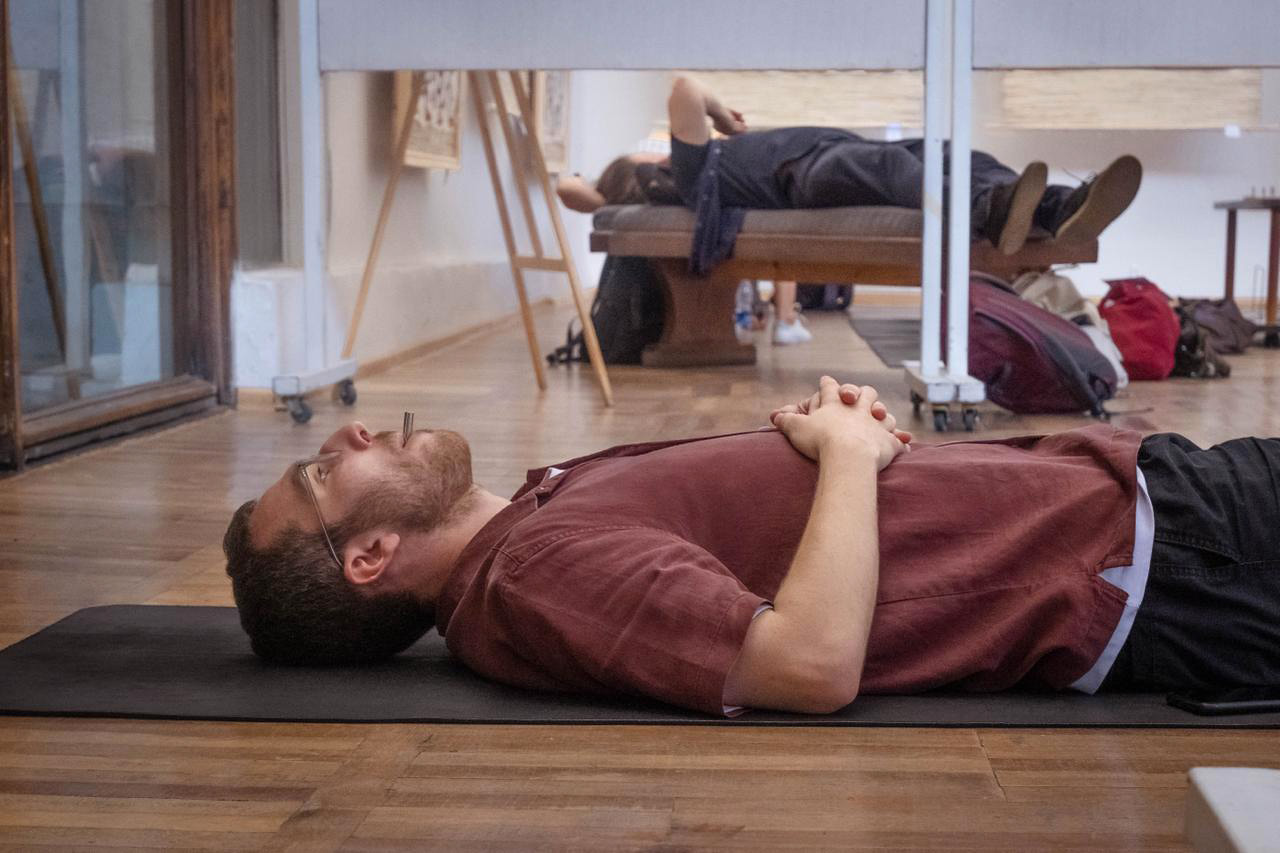
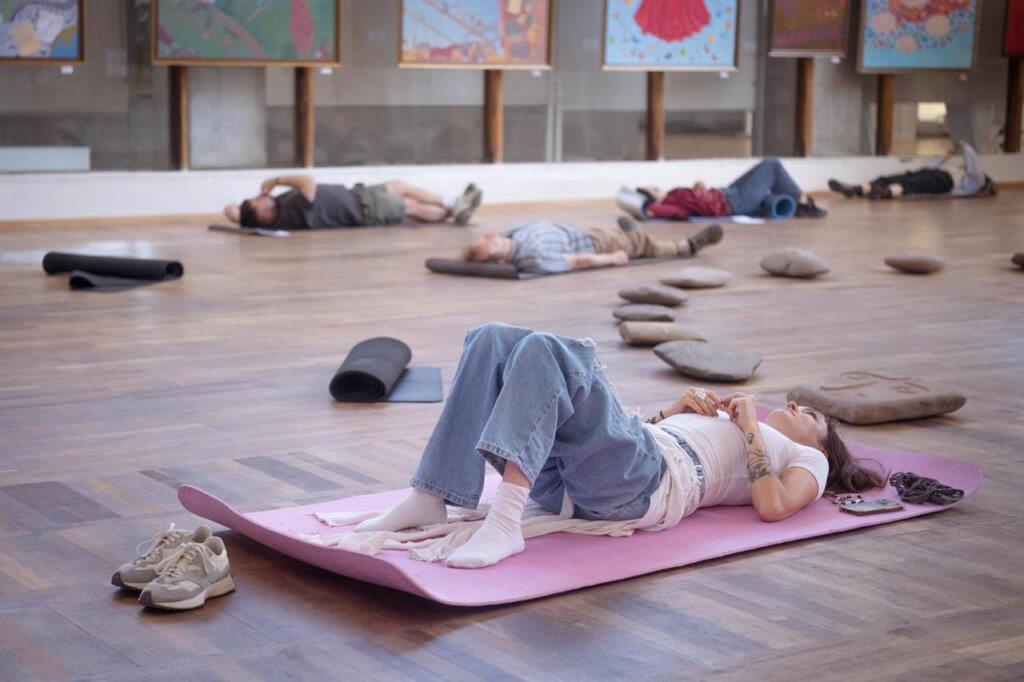
coucou, how are you?
A musical composition for collective performance
Limited capacity – reservation required (link to be published)
We invite the audience to take part in a collective performance of a musical composition written in the form of a text score. At the same time, participants will find themselves in the situation of an orchestra’s first rehearsal: they will choose instruments, receive the scores, discuss them together, and then perform the piece for one another.
No previous musical experience or training is required to take part.
The work was created by composer Elina Lebedeva and performer Ignat Khlobystin. The performance is facilitated by Vanya Demidkin, co-curator of festivals in Moscow and Bishkek.
Lectures, performances, discussion – in Russian, simultaneous interpretation into Czech
Book presentation – in Slovak
Partner of the project Dialogue (im)possible is Association Divadelná Nitra, Slovakia.
The project Dialogue (im)possible was created with the financial support of the State Cultural Fund of the Czech Republic.